How to Choose the Perfect Hydration Running Vest: A Buyer’s Guide
Selecting the right hydration running vest can make or break your performance—especially on long runs, trail adventures, or ultra races. With so many options available, it’s easy to feel overwhelmed. As a Quanzhou-based manufacturer with nearly 20 years of experience in OEM/ODM custom vests, TOPYES has helped countless brands and runners find the ideal solution. This comprehensive guide will walk you through the key factors to consider.
Step 1: Define Your Use Case
The first question is: What kind of running do you (or your customers) do?
- Short road runs (5–15 km): Prioritize lightweight, breathable vests with minimal storage.
- Trail running: Look for durability, multiple pockets, and stability on uneven terrain.
- Ultramarathons: Focus on higher capacity (1.5–3L), anti-bounce fit, and comfort over long hours.
- Multi-sport (running + cycling/hiking): Choose versatile designs with adjustable straps and extra features.
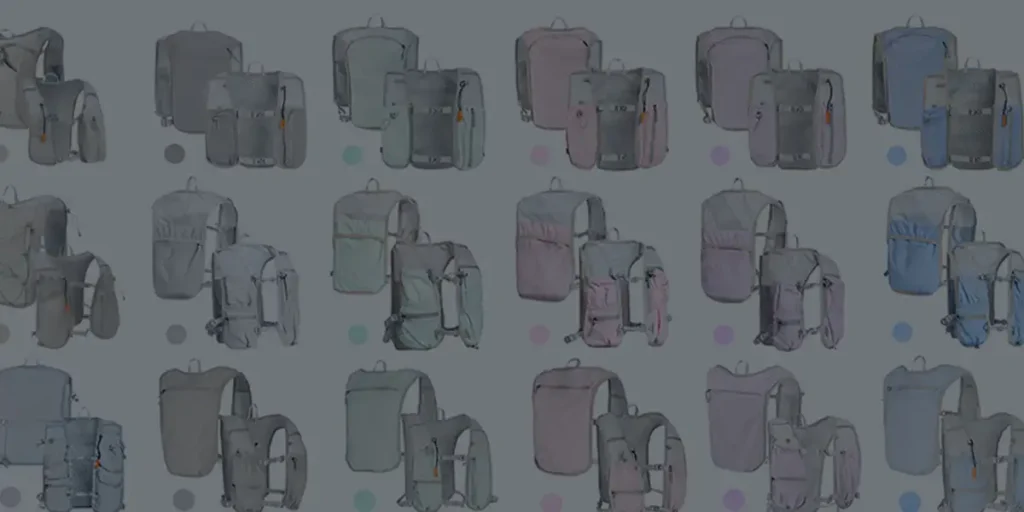
TOPYES offers five main categories to match every need: Lightweight Running Vests, Hydration Vests with Bladder, Soft Flask/Bottle Vests, Trail & Ultra Running Vests, and Custom Multi-Function Vests.
Step 2: Hydration System – Bladder vs. Soft Flask
This is the most important decision.
- Bladder (Rear Reservoir) Pros: Larger capacity (1.5–3L), hands-free hydration, stable weight distribution. Cons: Harder to clean, potential sloshing noise. Best for: Long-distance and ultra runners.
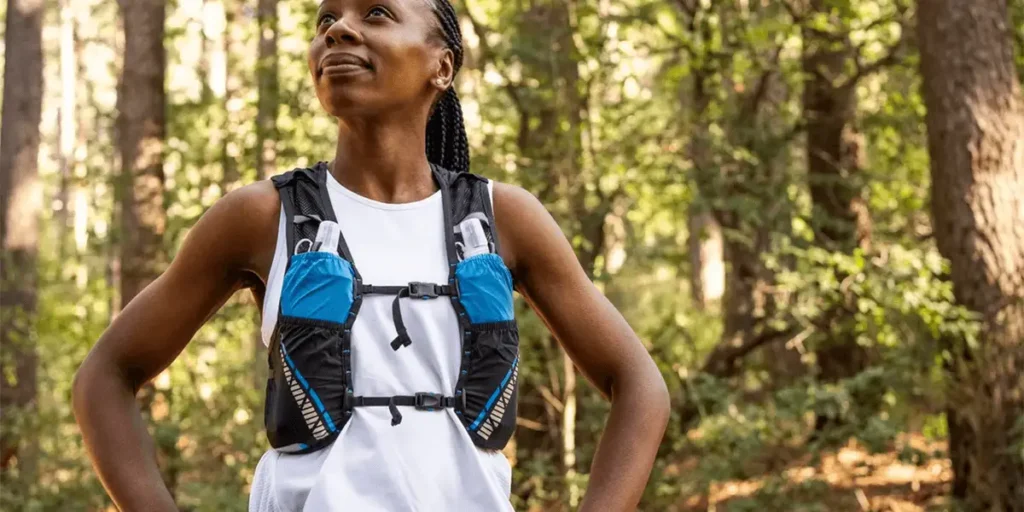
- Soft Flask / Bottle (Front/Side Pockets) Pros: Easy to refill and clean, quick access, no sloshing. Cons: Smaller capacity per flask (usually 250–500ml), requires more frequent refills. Best for: Trail runners and those who prefer frequent sips.
Many of our clients combine both—rear bladder for long efforts, front flasks for quick access.
Step 3: Fit, Comfort, and Anti-Bounce Technology
A poorly fitting vest can cause chafing, bouncing, or restricted breathing.
Look for:
- Adjustable chest and shoulder straps
- Elastic side panels or bungee cords for a snug fit
- Ventilated mesh back panels
- Ergonomic cut (especially for women or smaller frames)
TOPYES uses anti-bounce elastic and padded straps in all designs to ensure comfort even after hours of movement.
Step 4: Storage & Organization
Modern vests need smart storage:
- Waterproof phone pocket (front chest ideal)
- Gel/energy bar pockets (reachable while running)
- Zippered valuables pocket
- Back pocket for wind shell or extra layer
- Key clip or whistle buckle
We offer fully customizable pocket layouts to match your brand’s specific needs.
Step 5: Materials & Durability
Key fabric considerations:
- Breathability: High mesh ratio (>50%)
- Quick-dry & moisture-wicking
- Durability: High-denier nylon for trail use
- Sustainability: Recycled polyester or bio-based options
- Safety: Reflective strips or loops for lights
All TOPYES fabrics are OEKO-TEX certified for safety and skin-friendliness.
Step 6: Weight & Capacity
- Lightweight training vests: <300g
- Trail/ultra vests: 350–600g
- Capacity: 0.5L (short runs) to 3L+ (ultras)
Step 7: Budget & Customization
Entry-level vests cost $50–100 retail. Custom OEM/ODM vests from TOPYES offer factory-direct pricing, low MOQ (from 100 pieces), and full branding options.
If you’re a brand looking to create your own line or a runner seeking the perfect fit, contact TOPYES—we’ll help you find or build exactly what you need.
Facebook
Twitter
LinkedIn